Vietnam e-Visa Photo
Vietnam's e-visa application takes a 4 by 6 centimetre portrait in JPG or JPEG format under 2MB, front-facing with no hat, no glasses and formal attire on a white background. The studio delivers a 40×60mm file capped at 2MB.
- Printed size
- 40 × 60 mm
- Digital size
- 472 × 709 px
- Background
- White
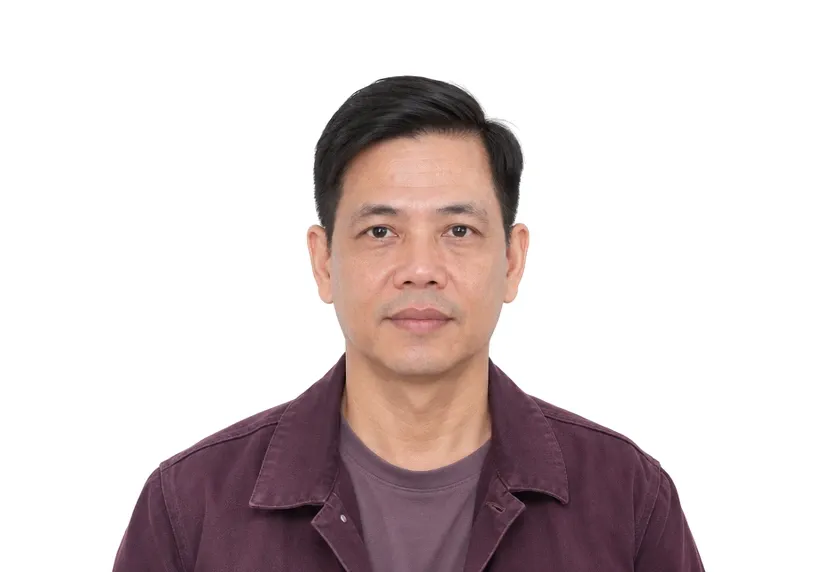
Size & specifications
Vietnam e-Visa Photo — requirements
| Printed size | 40 × 60 mm |
|---|---|
| Digital size | 472 × 709 px |
| Head height | — |
| Background | White |
| Resolution | ≥ 300 DPI |
| Recency | Recent |
| Glasses / expression | No glasses · — |
| Digital format | JPG or JPEG, under 2MB, 4×6 cm |
One upload, two deliveries: the pixel-exact digital file and a 300 dpi print-ready sheet.
What each line means
Printed size — print at exactly 40 × 60 mm. A few millimetres off and most offices hand the form back before anything else is checked.
Digital size — the digital file must measure 472 × 709 px. Anything smaller gets refused by many online systems before a person sees it.
Background — a plain White background, with no shadows or gradients. A wall lit unevenly is the fastest route to a refusal.
Resolution — 300 dpi keeps a face sharp in print. Below that, features soften and agencies ask for a retake.
Recency — Recent. Hair, glasses and weight change faster than people assume, and the officer compares the photo with you at the counter.
Glasses / expression — glare on lenses hides the eyes, and hidden eyes are an automatic rejection in most systems. If you wear glasses, read this line twice.
Digital format — some portals accept a single file type and quietly refuse everything else. Check what you are handing over before you upload.
Photo examples
What passes — and what gets rejected.
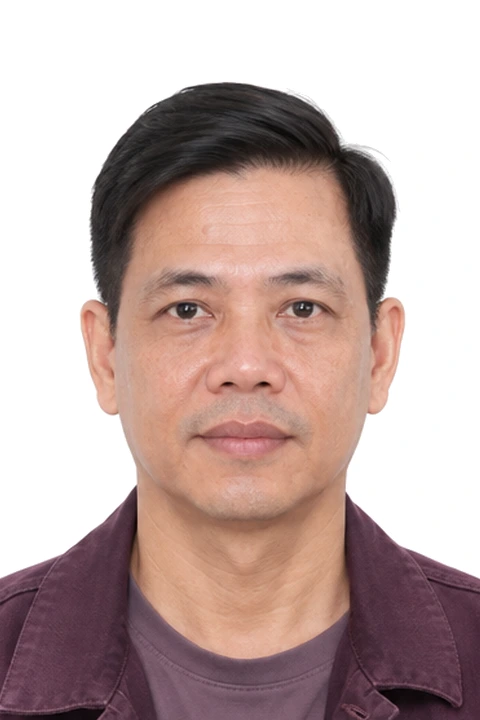
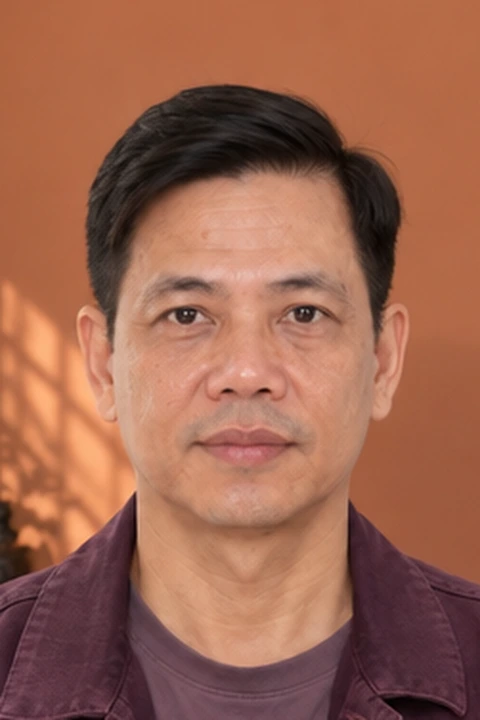
How to take a Vietnam e-Visa Photo with your phone
Photo size in centimetres
The Vietnam online visa photo is stated as 4×6 cm, the centimetre phrasing carried from the counter form. This is the same 40×60 mm rectangle the Vietnamese passport uses. The digital file runs to 472×709 px, under 2 MB, on white.
Frame size and margins
40×60 is one of the roomier rectangles in this catalogue. There is headroom and shoulder room, and the margins do not pinch. The extra room also makes faults easier to see.
Setup and lighting
White wall, frontal light, camera at eye level. Keep the shot recent. The form asks for a current photo, and an outdated file fails on sight.
Page output
The preset crops to the 4×6 cm rectangle, exports the 472×709 px file on white under the 2 MB mark, and checks head position, background and ratio before export.
Why Vietnam e-Visa Photo gets rejected
Smaller rectangle
A 35×45 file, the regional default, falls short of 4×6 cm. The form reads the difference at upload; the size is not negotiable at the border or in the browser.
Old files
A photo that shows another season's haircut or an older pair of glasses fails the currency check. The photo must be taken for this application; an old folder image will not pass.
Common faults
Shadows, tilted horizons, and a face turned past vertical are standard refusals. The frame is large enough that each fault is easy to see.
How it works
Photo tips
Frequently asked questions
What size is a Vietnam e-Visa Photo?
The standard size is 40 × 60 mm (472 × 709 px at 300 DPI). The tool crops and scales your photo to exact requirements automatically.
Can I smile in the photo?
Requirements call for: a natural expression. When in doubt, keep a neutral face with both eyes open.
How recent must the photo be?
Recent Old photos are a common rejection reason.
Is my photo private?
Yes. Uploaded photos are encrypted in transit and automatically deleted within 24 hours. We never share or resell uploads.
Can I wear glasses in the e-Visa photo?
No — the e-Visa requirement excludes glasses.
Is this the same size as the paper visa photo?
Yes, now — both channels use the 40×60 mm portrait; the 51×51 mm square was the earlier practice. What differs in this preset is the file side: the e-Visa takes a JPG under 2 MB, with a 472×709 px floor.