Chinese ID Card Photo
26×32mm Chinese ID card photo.
- Printed size
- 26 × 32 mm
- Digital size
- 307 × 378 px
- Background
- White
- Head height
- 26mm
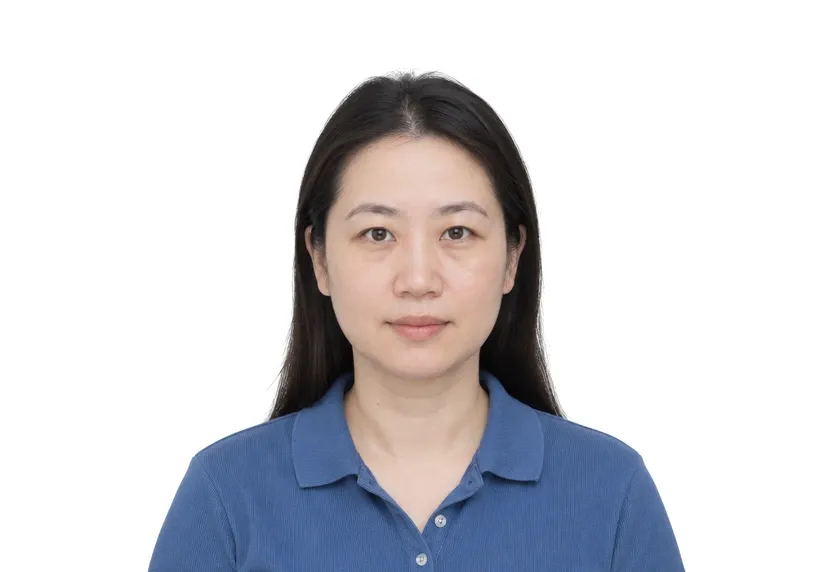
Size & specifications
Chinese ID Card Photo — requirements
| Printed size | 26 × 32 mm |
|---|---|
| Digital size | 307 × 378 px |
| Head height | 26mm |
| Background | White |
| Resolution | ≥ 300 DPI |
| Recency | Recent |
| Glasses / expression | Habitual wearers should wear them (plain lenses, no glare) · Natural expression, no teeth showing |
| Digital format | — |
One upload, two deliveries: the pixel-exact digital file and a 300 dpi print-ready sheet.
What each line means
Printed size — print at exactly 26 × 32 mm. A few millimetres off and most offices hand the form back before anything else is checked.
Digital size — the digital file must measure 307 × 378 px. Anything smaller gets refused by many online systems before a person sees it.
Head height — your head, crown to chin, should span 26mm. Too small reads distant; too large and the crop will not fit.
Background — a plain White background, with no shadows or gradients. A wall lit unevenly is the fastest route to a refusal.
Resolution — 300 dpi keeps a face sharp in print. Below that, features soften and agencies ask for a retake.
Recency — Recent. Hair, glasses and weight change faster than people assume, and the officer compares the photo with you at the counter.
Glasses / expression — glare on lenses hides the eyes, and hidden eyes are an automatic rejection in most systems. If you wear glasses, read this line twice.
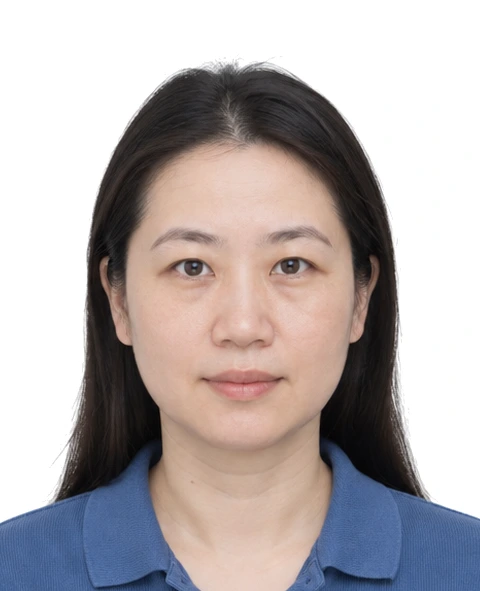
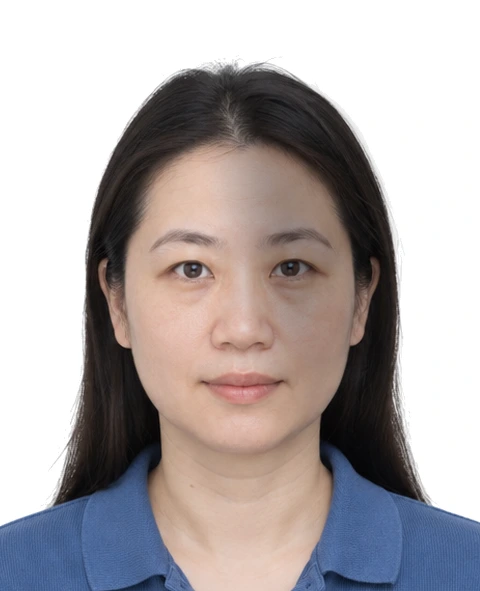
Photo examples
What passes — and what gets rejected.
How to take a Chinese ID Card Photo with your phone
What the standard says
The Chinese ID card photo is 26×32 mm on white, and the standard describes the head as about two-thirds of the photo; the face measures 15±1 mm wide at the ears. It publishes no head-height figure in millimetres, so this page keeps the head proportions natural.
Glasses and local office rules
Daily glasses stay on: the standard asks for them, with plain lenses and no glare, and coloured lenses and frames that hide the eyes are not allowed. Some local offices prefer lens removal, so when in doubt take one shot with glasses and one without. Neutral expression, ears visible if your hairstyle allows.
Setup and lighting
Half a metre from a plain white wall, phone at eye level, frontal light and a natural expression. The preset crops to the exact 26×32 mm rectangle at 300 dpi and flattens the background to white.
What this page outputs
The tool checks ratio and background before download and leaves the head measurement as the office applies it, because the official wording gives a share of the photo and no millimetre band.
Why Chinese ID Card Photo gets rejected
Size and framing
Photos that are not 26×32 mm, off-centre heads, coloured lenses and frames that hide the eyes. The rectangle and the framing are checked before anything else.
Background faults
Off-white walls, shadows, gradients. Light the backdrop evenly. Shade pooled at one edge has the same effect as a patterned background.
Other photo faults
Blur, tilt and heavy retouching. The page checks ratio and background before download.
How it works
Photo tips
Frequently asked questions
What size is a Chinese ID Card Photo?
The standard size is 26 × 32 mm (307 × 378 px at 300 DPI). The tool crops and scales your photo to exact requirements automatically.
Can I smile in the photo?
Requirements call for: Natural expression, no teeth showing. When in doubt, keep a neutral face with both eyes open.
How recent must the photo be?
Recent Old photos are a common rejection reason.
Is my photo private?
Yes. Uploaded photos are encrypted in transit and automatically deleted within 24 hours. We never share or resell uploads.
Can I wear glasses in the ID photo?
If you wear glasses daily, yes — the national standard asks you to keep them on, with plain lenses and no glare. Some local offices prefer lens removal; when in doubt, take one shot with and one without.
How is the head measured in an ID card photo?
The standard describes the head as about two-thirds of the photo and sets the face width at 15±1 mm at the ears; it publishes no head-height figure in millimetres, so keep the proportions natural rather than forcing a number.